MENU
BR | BRL

BR | BRL
-
- Todas as centrífugas
- Centrífugas de bancada
- Centrífugas de bancada
- Centrífugas de chão
- Centrífugas refrigeradas
- Centrífugas refrigeradas
- Centrífugas
- Microcentrífugas
- Centrífugas multifuncionais
- Centrífugas de alta velocidade
- Ultracentrífugas
- Concentrador
- Produtos IVD
- Consumíveis de alta velocidade e de ultracentrifugação
- Acessórios
- Tubos de centrifugação
- Placas de centrifugação
- Software de gestão de equipamentos
- Gestão de amostras e informações
- VisioNize Devices
- Produtos BPL China
-
- Todas as pipetas, dispensadores e equipamentos para manuseio de líquidos automatizados
- Pipetas mecânicas
- Pipetas eletrônicas
- Pipetas multicanal
- Pipetas de deslocamento positivo e dispensadores
- Ponteiras de pipeta
- Dispensadores de frascos
- Controladores de pipeta
- Acessórios para dispensadores e pipetas
- Pipetagem Automatizada
- Consumíveis de automação
- Acessórios de automação
- Serviços para pipetas e equipamentos para manuseio de líquidos
Sorry, we couldn't find anything on our website containing your search term.
Sorry, we couldn't find anything on our website containing your search term.
Experience Wins
Explore Life Science
- Lab Life
- Off the Bench
- Inspiring Science
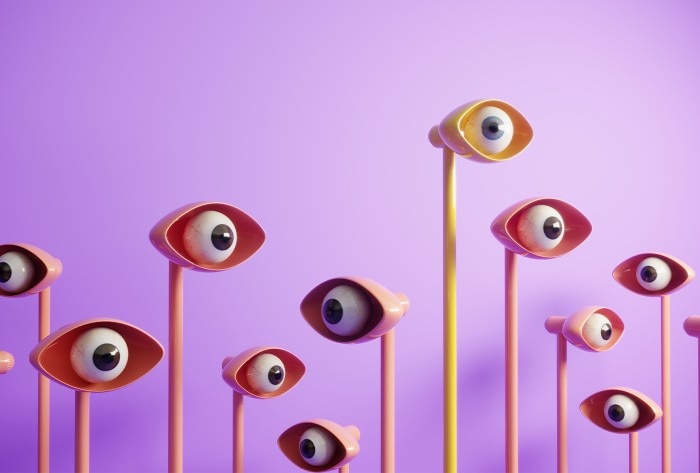
Which is better: a doctor or artificial intelligence? A study delivers surprising results.
These days, artificial intelligence (AI) is already being utilized in multiple areas of medical diagnostics. Researchers at the University of Cambridge have asked the question: is AI superior to doctors? In their study, the language model GPT-4 by OpenAI competed against physicians from the field of ophthalmology, with the goal of assessing 87 different eye conditions. The result: AI was superior to doctors with little experience when it came to diagnostics and treatment recommendations. Only the experienced specialists were more accurate than the algorithm. According to lead author Arun Thirunavukarasu, AI could be most helpful in those areas that lack specialists; for example, to decide whether an eye problem should be treated by a family doctor or a specialist.
Ler mais